
RESEARCH
Food and nutritional security
Metabolic engineering and synthetic biology approaches have been used to decipher carotenoid/isoprenoid formation and its regulation in ripe fruit. Modulating key enzymatic steps and regulators has then been deployed to create a suite of nutrient dense tomato varieties, with altered lycopene, β-carotene, and zeaxanthin (10.1038/76523, 10.1073/pnas.241374598, 10.1105/tpc.113.116210).
GROUP
Metabolomics
In addition to carotenoids simultaneous production of multiple antioxidants has been achieved (10.1105/tpc.110.073866 ). Metabolomics has been used to characterise diversity panels in crop species such as tomato (10.1038/srep03859), Capsicum (10.1093/jxb/erz086) and Root Tuber and Banana germplasm in collaboration with the CGIAR centres CIAT-Alliance, CIP and IITA (10.1007/s11306-017-1279-7, 10.1016/j.phytochem.2022.113409, 10.1016/j.foodchem.2023.137481).

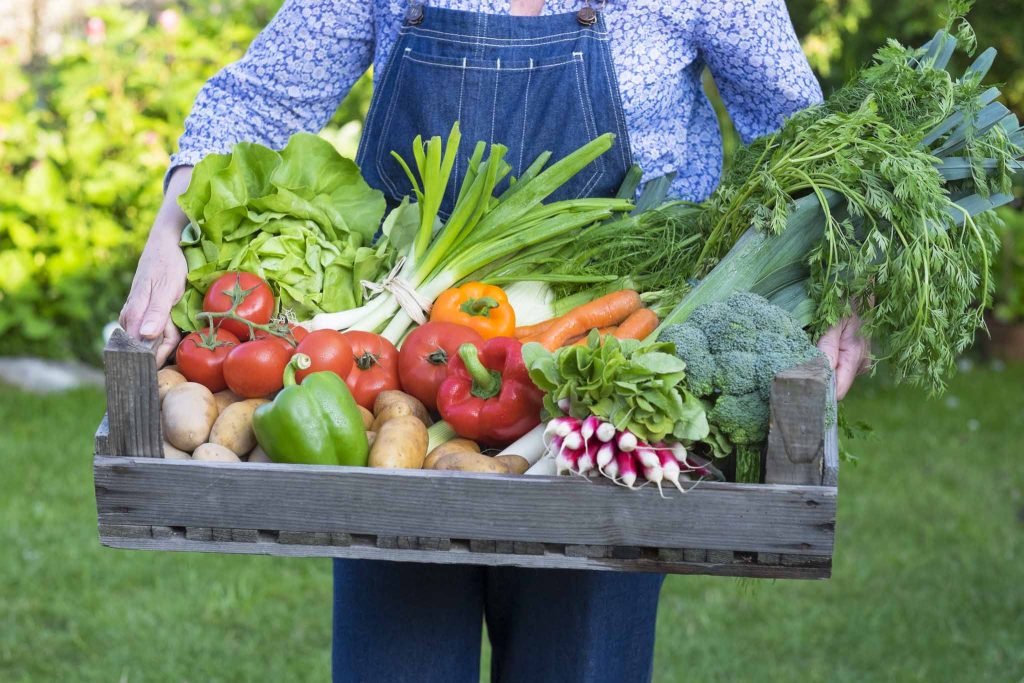
From fixed donor lines the work performed has contributed to the release of varieties into the marketplace (e.g., www.burpee.com/tomato-vivacious-hybrid-prod600099). More recently the laboratory has been involved in the characterisation of mutants were the signalling and biochemical components responsible for nutrient uptake and the establishment of beneficial microbials have been modulated (www.ensa.ac.uk).
Studying metabolites for faster, better plant breeding
Metabolites are the small molecules produced by living cells. Identifying the unique metabolic signature of plant tissues can help plant breeders quickly identify the desired traits in crop varieties. An Exciting partnership with Royal Holloway University of London (RHUL) is conducting groundbreaking studies of the metabolites of cassava, potato, yams, sweet potato, and bananas.
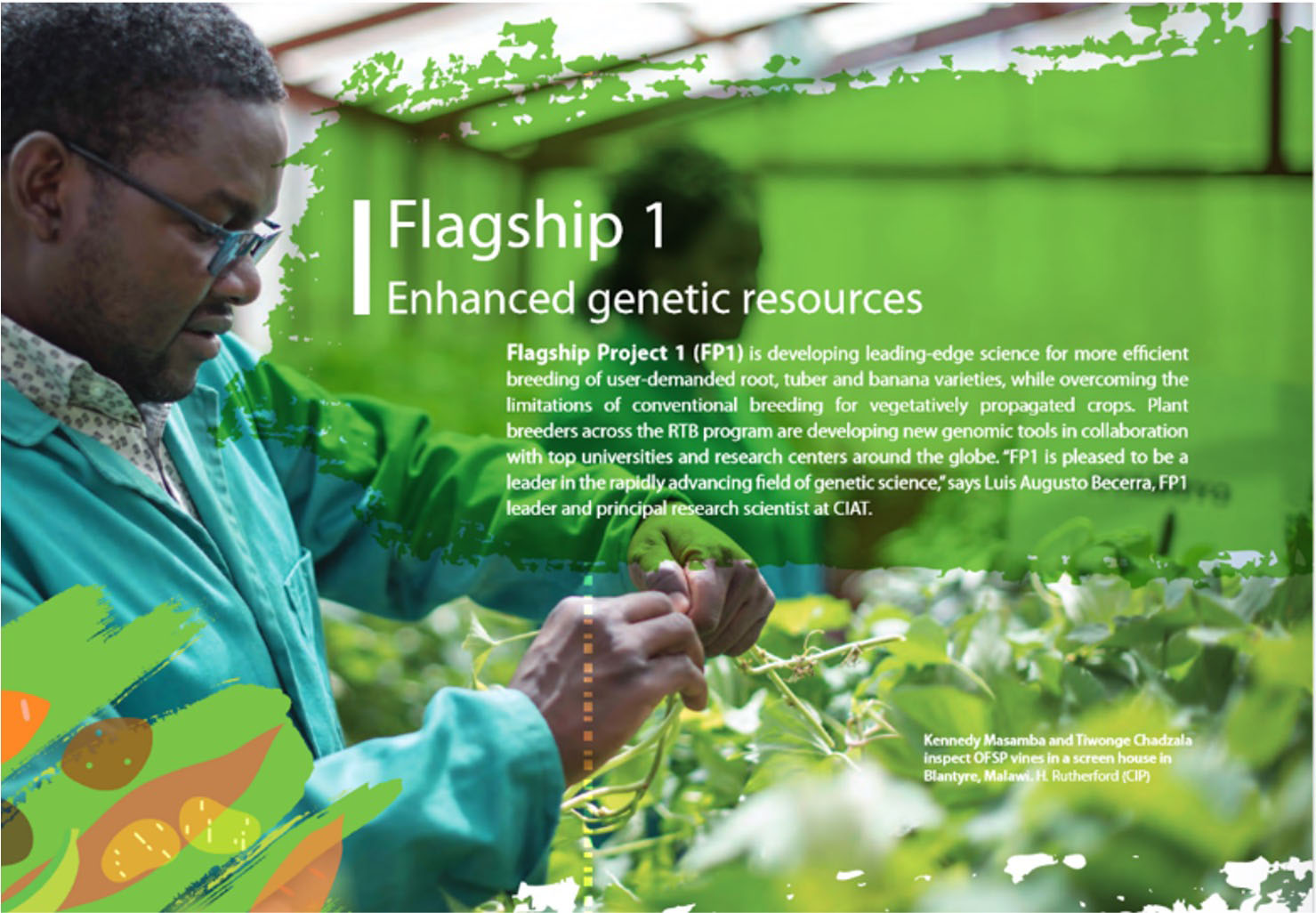
Plants produce thousands of small chemical compounds known as metabolites. Like a DNA fingerprint, which offers a portrait of a plants genes and thus what is capable of doing, a survey of the metabolites in a specific tissue, such as the leaves, can tell us what that tissue is doing, how it is responding to its changing environment and what might be happening in the roots or elsewhere in the plant.
Metabolites are the end result of genes switching on and off and directing all the complex workings of the cell. As a result, metabolomics (the study of metabolites) offers insights into important genetic questions, fast-tracking through the layers of cellular regulation to deliver a functional printout
of the genome. That is why RTB has invested in metabolomics, across all our major crops, working closely with RHUL. This long-term partnership that began in 2012 is now attracting significant international funding, and developing technologies that will soon be transferred to partners in other RTB flagship programs.
RHUL and RTB established protocols to extract and analyse plant metabolites, especially in young plants, to see if they would be good proxies for products in the mature plants – the roots, tubers and bananas. This remarkable progress has been documented in six publications, customised metabolite libraries and database of the metabolomes of key crops produced over the last two years.