

RESEARCH
Sustainable production of high-value chemicals
Traditional breeding, metabolic engineering approaches, Synthetic Biology and New Plant Breeding Techniques (NPBTs), such as gene editing are being deployed to generate plant and microbial cell factories. The goal of the approach is to replace or reduce our dependence of fossil fuel derived processes, by creating biobased solutions.
GROUP
Plant-based Systems
Our typical plant-based systems include tomato, potato and tobacco, while the microbial chasses of choice include Escherichia coli, diverse Bacillus (10.1016/j.bbalip.2010.12.009) and Mycobacterium species and the non-conventional yeast Xanthophyllomyces dendrorhous (formally Phaffia rhodozyma).
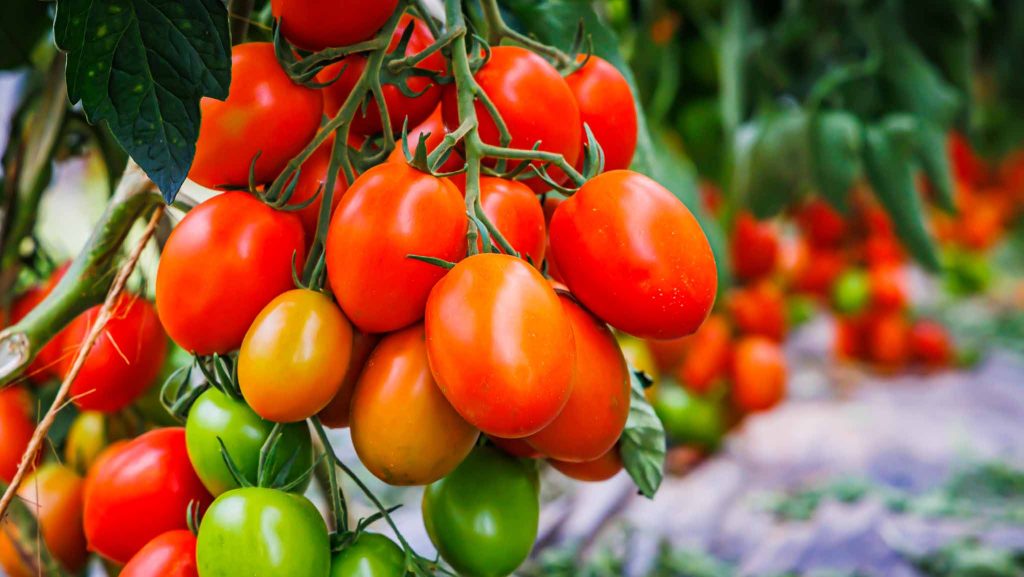
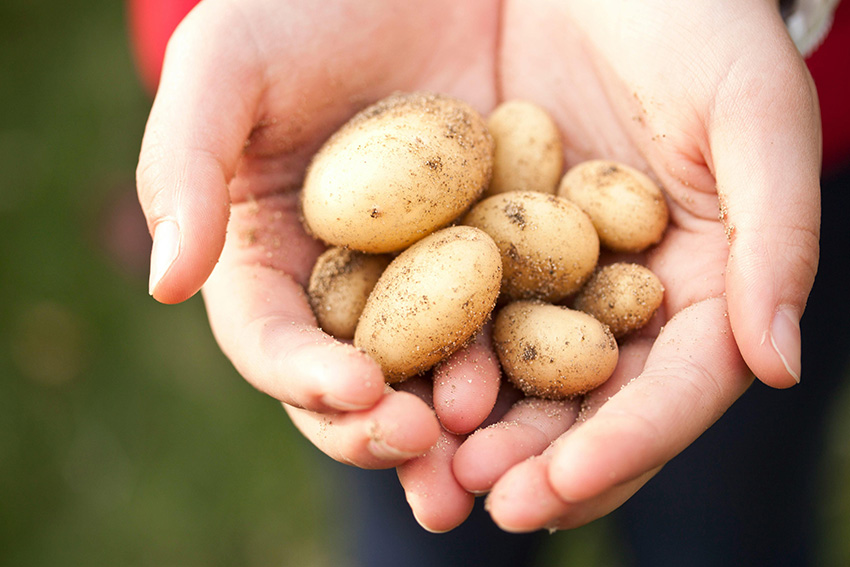
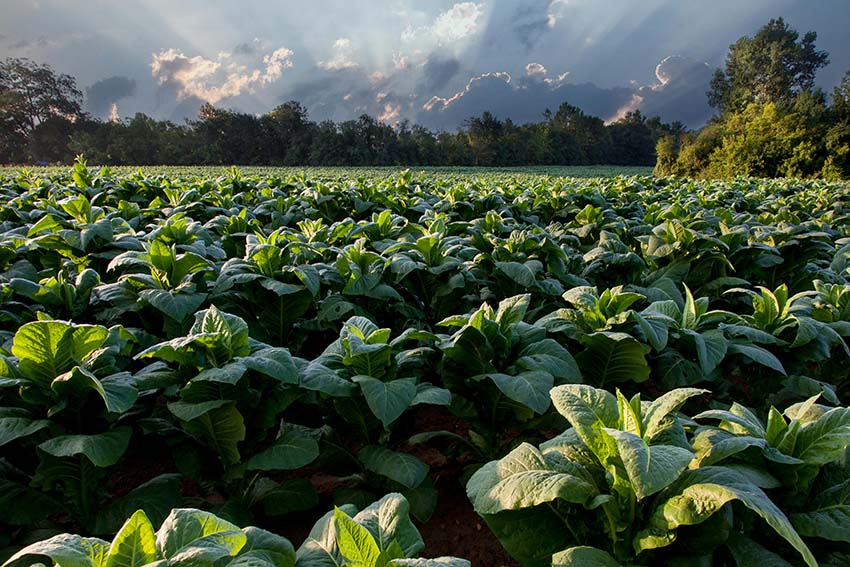
Examples developed in the laboratory include the production of ketocarotenoids (astaxanthin) in plants which has been demonstrated by feasibility studies in both aquaculture and poultry (10.1111/pbi.13073, 10.1073/pnas.170834911 & 10.1111/pbi.14196), other examples are the vaccine adjuvants such as squalene and the cosmetic ingredient phytoene.
LABORATORY
The Biosynthesis of Carotenoids
These molecules have key roles in the prevention of human disease states and can only be acquired in a dietary manner. In addition, carotenoids or their derivatives are also involved in plant and microbial developmental processes and commercially they are utilised across multiple industrial sectors, being deployed as colorants, health supplements and bioactives used in the pharma industry.
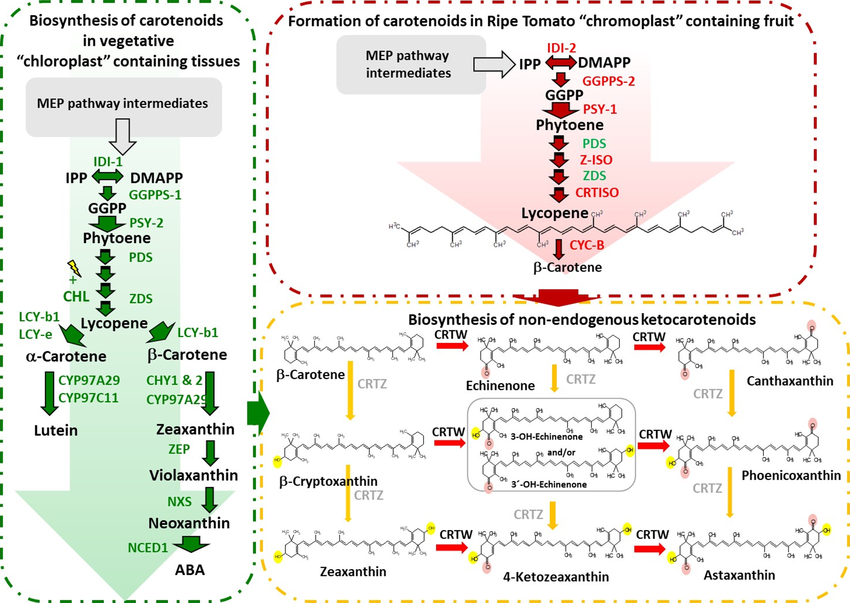
The functional importance of carotenoids and other isoprenoids means that their modulation in biological systems can contribute to addressing our present and future societal and economic global challenges. These challenges include, food and nutritional security, sustainable production/manufacturing and combating the effects of climate change. Scheme 1 highlights our ongoing research focus aimed at harnessing biological systems to address these pertinent global challenges.