

RESEARCH
Technology, tools, and resource development
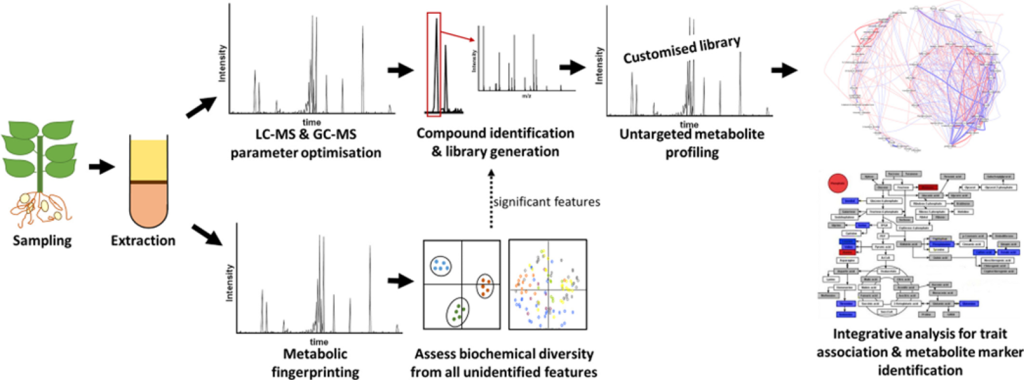
Metabolite analysis underpins our activities. Our platforms include, untargeted metabolomics using LC-MS/MS (10.1093/plphys/kiad269), metabolite profiling using GC-MS/LC-MS 10.1007/s11306-013-0553-6, 10.1099/mic.0.000325 and targeted analysis (10.1046/j.1365-313x.2000.00896.x). Lipidomics (10.1016/j.phytochem.2022.113409) and LC-triple Quad MS (10.1111/pbi.13073) for phytohormones.
GROUP
Proteomic Analysis
Our proteomic analysis includes quantitative and qualitative analysis (10.1002/pmic.201200480) and protein purification from native and heterologous sources. In vitro/cell-free assays in planta and following expression in E.coli have been developed for key enzymes in carotenoid/isoprenoid biosynthesis, particularly herbicide targets
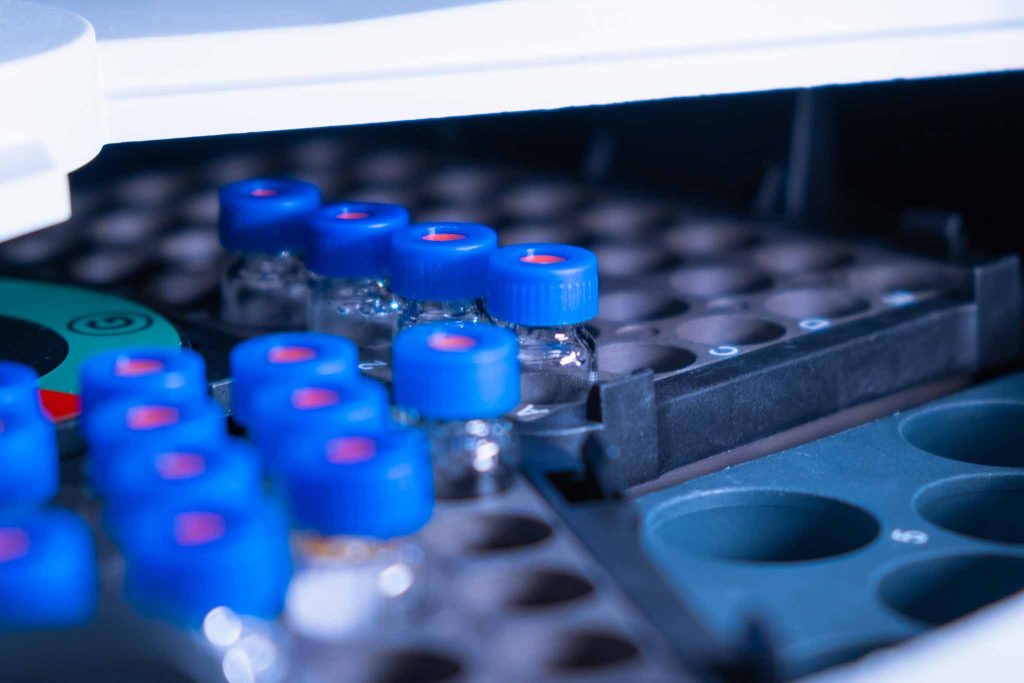
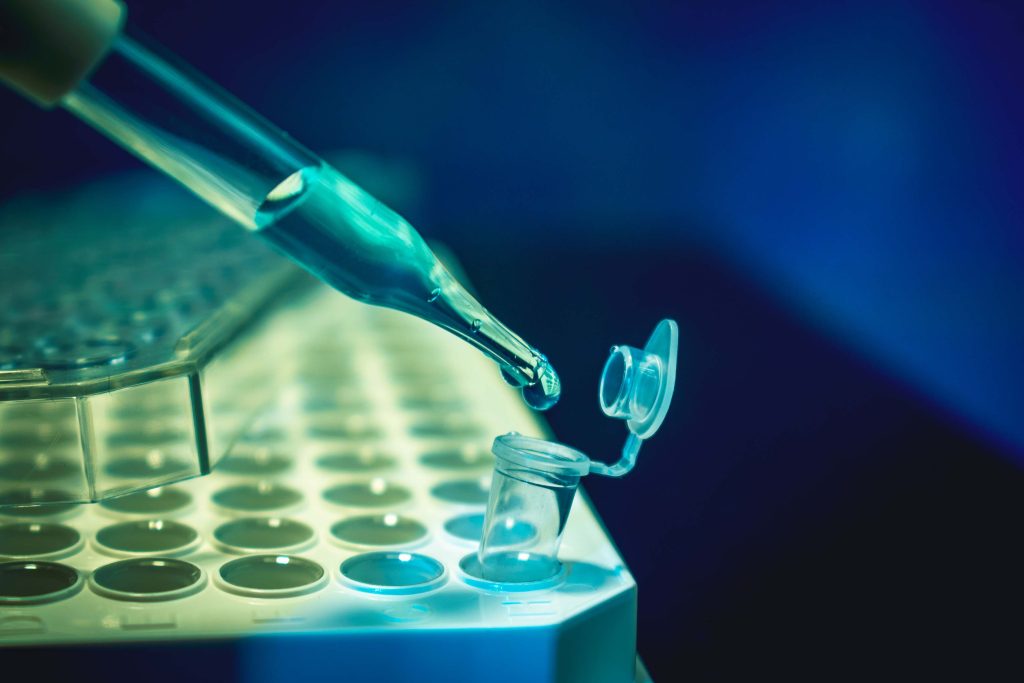
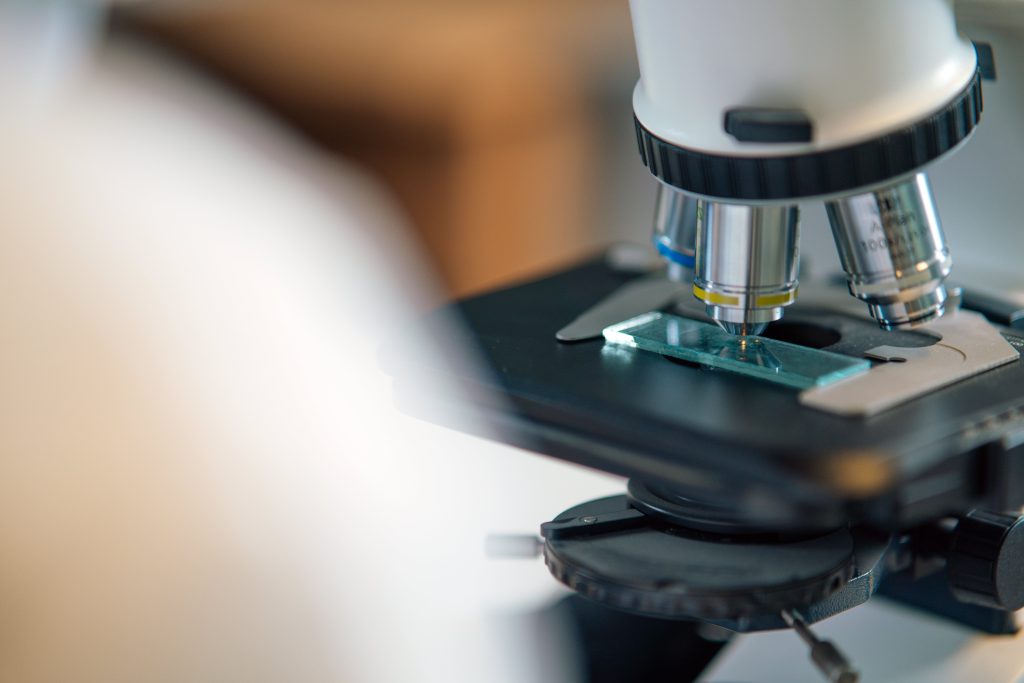
The laboratory has dedicated pipelines for multiplexed transcript determinations (e.g., digital droplet PCR). In house tools for the integration of omic datasets and visualisation of data are available. Sub–organelle (subplastid) fractionation is established and being used to perform spatial metabolomics and proteomics (10.1016/bs.mie.2022.03.001). Of particular interest is the characterisation of the plastoglobuli (10.1101/2023.01.05.522848) These methodologies have also been used to evaluate New Plant Breeding Techniques (NPBTs), (10.1016/j.jplph.2021.153378, 10.1007/s11248-023-00347-9).
Figure 3. Metabolomic workflows deployed in the laboratory.
The functional importance of carotenoids and other isoprenoids means that their modulation in biological systems can contribute to addressing our present and future societal and economic global challenges. These challenges include, food and nutritional security, sustainable production/manufacturing and combating the effects of climate change. Scheme 1 highlights our ongoing research focus aimed at harnessing biological systems to address these pertinent global challenges.